What Is a Rug Pull and How Can You Identify It in Crypto Trading
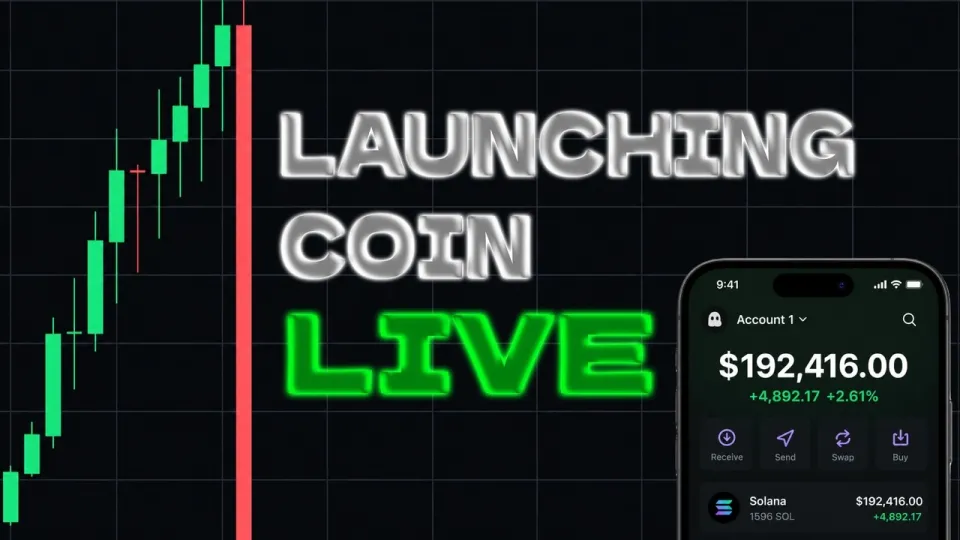
Video: Rug Pull Guide How to Launch a Meme Coin Step-by-Step
· based on the channel New brand channel
A rug pull in cryptocurrency is a deliberate scam where developers create a token or meme coin designed to defraud investors by withdrawing liquidity and crashing the token's value. Unlike accidental failures or hacks, rug pulls are precision-engineered exit strategies embedded in the smart contract from the project's inception. To defend against these scams, it's essential to understand their blueprint and identify red flags early.
What Defines a Rug Pull in Crypto
A rug pull occurs when token creators manipulate liquidity pools and tokenomics to pull out all the funds, leaving investors with worthless tokens. This scam is common in meme coins and decentralized exchanges (DEXs), especially on platforms like Solana that have seen a rise in such fraudulent schemes. The defining feature is the intentional coding of exit routes into the token's smart contract, allowing developers to control liquidity and token supply stealthily.
Engineered Tokenomics and Liquidity Pool Illusions
Rug pulls rely on engineered tokenomics where the total token supply, emission rates, and distribution are rigged to enable a final dump:
- Token Supply Rigging: Large pre-minted allocations for developers allow significant dumps.
- Emission Control: High emission rates inflate token availability, creating artificial hype.
- Fake Locked Liquidity: Liquidity pools may appear locked or locked via third-party services but contain hidden dependencies or backdoors.
Liquidity pools are central to rug pulls. Scammers create illusions of locked liquidity to build trust, but admin backdoors can unlock these pools at any time. This manipulation leads to a sudden withdrawal of liquidity, causing token prices to collapse.
Admin Backdoors and the Kill Switch Logic
Smart contracts often include seemingly harmless permissions that are actually backdoors giving total control to the developers. These backdoors allow:
- Liquidity Withdrawal: Secret ability to pull liquidity from pools.
- Token Minting: Unlimited minting of new tokens to flood the market.
- Kill Switch Activation: A trigger that stays dormant until the total value locked (TVL) peaks, then activates to dump tokens and drain funds.
These mechanisms remain hidden until the scammer decides to execute the rug pull, often after maximizing hype and investment.
How to Spot a Rug Pull Before Investing
Detecting potential rug pulls requires forensic on-chain analysis and understanding these key red flags:
- Unusually High Developer Token Allocation: Large shares of tokens held by developers or insiders.
- Locked Liquidity Without Verified Lock: Liquidity pools claiming to be locked but missing verifiable lock proof.
- Aggressive Token Emission Schedules: Emissions that flood the market quickly.
- Suspicious Smart Contract Permissions: Admin keys or functions allowing liquidity removal or minting.
- Pump and Dump Patterns: Rapid price spikes followed by sharp collapses.
Tools like DEXscreener and blockchain explorers can help analyze these factors. Education and vigilance are vital to avoid becoming exit liquidity.
Common Scam Patterns in Meme Coins
Meme coins are a favorite vehicle for rug pulls because they attract hype-driven investors. Common scam tactics include:
- Creating hype via social media and fake endorsements.
- Launching on platforms with low barriers like Solana.
- Using deceptive tokenomics to appear sustainable.
- Employing kill switches to exit at peak value.
Understanding these patterns helps investors approach meme coin trading with caution and perform due diligence.
Useful Links
Summary
A rug pull is a calculated scam where developers use engineered tokenomics, fake liquidity locks, and hidden smart contract backdoors to exit with investors’ funds. Recognizing the signs of a rug pull—such as suspicious tokenomics, admin privileges, and liquidity pool illusions—is crucial for protecting your investments in meme coins and other crypto tokens. Analytical tools and thorough research can reveal these scams before you become exit liquidity. This breakdown was provided by the New brand channel, offering vital insights for technical analysis and investor safety. For more resources, visit https://launch-tool.org to stay informed and avoid crypto scams.
Key takeaways
- Rug pulls are premeditated exit scams coded into smart contracts from launch.
- They exploit engineered tokenomics and manipulated liquidity pools to maximize scammer profits.
- Admin backdoors and kill switches enable scammers to control tokens and liquidity secretly.
- Forensic on-chain analysis reveals signs like fake locked liquidity and abnormal TVL spikes.
- Understanding these tactics helps investors avoid becoming exit liquidity in meme coin scams.
Source: Rug Pull Guide How to Launch a Meme Coin Step-by-Step · Markdown version
Questions & answers
What exactly is a rug pull in cryptocurrency?
A rug pull is a scam where token developers create a cryptocurrency project designed to defraud investors by withdrawing liquidity and crashing the token's value, often using hidden backdoors in the smart contract.
How do scammers manipulate tokenomics in a rug pull?
Scammers rig tokenomics by allocating large token supplies to themselves, setting high emission rates, and creating artificial demand to enable a final dump that maximizes their profits.
Can locked liquidity pools still be part of a rug pull?
Yes, scammers often use fake liquidity locks or hidden dependencies that appear secure but allow them to unlock liquidity secretly and pull funds at the peak of investment.
How can I protect myself from becoming a victim of a rug pull?
Protect yourself by analyzing tokenomics, verifying liquidity locks, checking for admin backdoors in smart contracts, monitoring pump and dump patterns, and using on-chain analysis tools to detect suspicious activity before investing.